DRC Introduces 3% "Consolidation Fee" on Minerals in Transit
 La Rédaction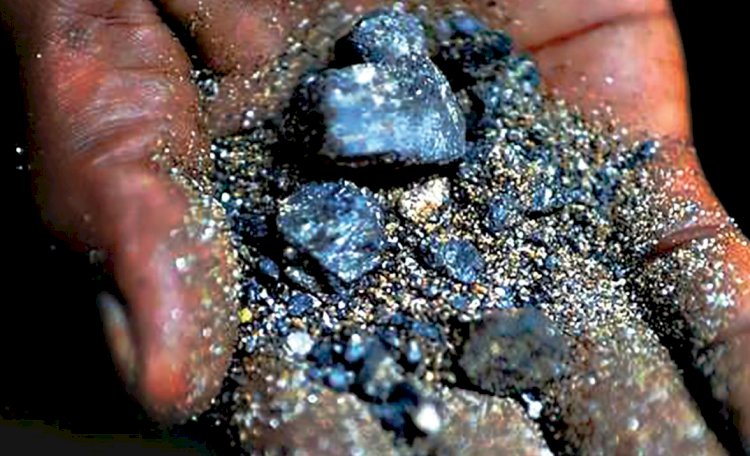
DRC Introduces 3% "Consolidation Fee" on Minerals in Transit
In a bid to streamline the mineral export process and address longstanding issues of consignment mixing, the Democratic Republic of Congo (DRC) has introduced a new mining levy dubbed the "Consolidation Fee." Set at 3% of the official government price, the fee was announced by the Chief Mining Commissioner during the inauguration of a gold mine in Katanga Province, one of the country's mineral-rich regions.
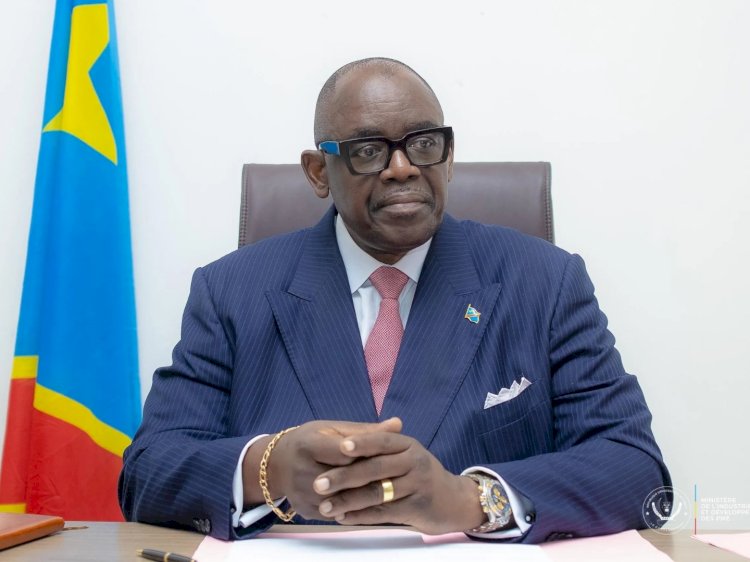
The announcement comes amid growing concerns from traders and exporters about the unauthorized mixing of mineral consignments, which has led to disputes, financial losses, and complications in the export chain. The Consolidation Fee aims to regulate this practice by imposing a standardized charge on minerals that are in transit and prepared for export.
Background and Rationale
The DRC is Africa's leading producer of cobalt and a major supplier of copper, gold, and other minerals critical to global industries like electronics and renewable energy. However, the mining sector has been plagued by issues such as artisanal mining, smuggling, and logistical challenges. The new fee is part of broader efforts by the government to enhance transparency and control over mineral handling.
"The mixing of mineral consignments without prior notice has caused significant disruptions," said the Chief Mining Commissioner in his address to stakeholders. "This fee will help consolidate operations and ensure that all parties involved in the export process are accountable."
Traders and exporters have the option to apply for waivers, allowing them to seek reductions or exemptions from the fee. The application process, details of which are expected to be outlined in forthcoming regulations, will be administered by the Ministry of Mines.
Implications for the Industry
Industry experts suggest that the fee could have mixed impacts. On one hand, it may deter unauthorized mixing and improve efficiency in the supply chain. On the other, it could add to the operational costs for small-scale traders already struggling with high transportation and processing expenses.
"The DRC's mining sector is vital to the economy, contributing significantly to GDP and employment," noted a spokesperson from the Congolese Chamber of Mines. "Any new regulation must balance revenue generation with the need to support sustainable development."
The fee applies specifically to minerals in transit that are ready for export preparation, excluding raw materials still in the extraction phase. This targeted approach is intended to focus on the final stages of the export process.
Reactions and Next Steps
Initial reactions from the mining community have been cautious. Some traders welcomed the move as a step towards better organization, while others expressed concerns about potential increases in export costs that could affect competitiveness in international markets.
The government has pledged to provide training and support to ensure compliance. Further details on implementation, including timelines and waiver criteria, are expected to be released in the coming weeks.
As the DRC continues to reform its mining policies, this new levy represents another effort to harness the country's vast mineral wealth responsibly and equitably.



![Seli Safari Zongo : le paradis des week-ends et des vacances [partie 1/3]](https://cocorico.cd/uploads/images/2024/10/image_380x226_670e787f98207.jpg)